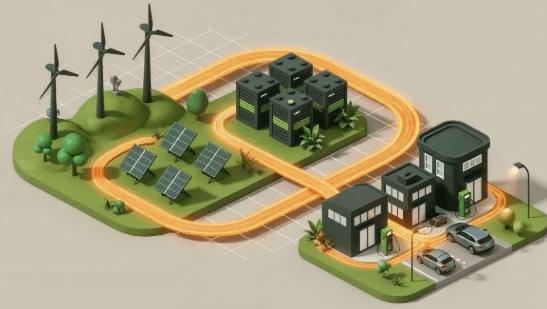
Smart energy grids integrate traditional power systems with information and communication technologies to balance supply and demand in real time. They rely on distributed generation and two-way communication to link local sources and storage with advanced metering. Real-time data and analytics enable automated demand management and dynamic pricing. The result is improved reliability and efficiency, with transparent data and flexible tariffs. The framework sets the stage for broader participation and new optimization challenges that invite further examination.
What Are Smart Energy Grids and Why They Matter
Smart energy grids are modern electricity networks that integrate information and communications technology with traditional power systems to balance supply and demand in real time. They enable dynamic monitoring, optimization, and automated control. This approach enhances grid resilience and enables consumer empowerment, providing transparent data, flexible tariffs, and responsive services while maintaining reliability, security, and efficiency within a decentralized, information-rich energy landscape.
How Distributed Generation and Two-Way Communication Work
Distributed generation (DG) and two-way communication enable a decentralized, adaptive grid by allowing localized energy production and bidirectional data exchange to match supply with demand in real time.
The mechanism links small-scale generators and storage with advanced metering, enabling synchronized control, grid stability, and efficient resource allocation.
Data from sensors informs demand-side responses, enhancing reliability, resilience, and user empowerment through distributed generation and two way communication.
Real-Time Data, Analytics, and Automated Demand Management
Real-time data streams from sensors, meters, and smart devices feed analytic models that characterize grid conditions, forecast demand, and identify anomalies. Advanced analytics synthesize telemetry into operational insights, enabling automated demand management.
Smart meters stream consumption patterns to optimize load-shifting, while demand response signals coordinate rapid, consumer-aligned adjustments.
The approach supports resilient, flexible grids with transparent, data-driven governance.
Practical Impacts: Costs, Reliability, and Everyday Life
Advances in grid sensing and analytics directly influence practical outcomes for costs, reliability, and daily life.
The analysis focuses on quantifiable effects: smart energy costs fluctuate with efficiency gains, dynamic pricing, and outage avoidance.
Reliability impacts are measured via fault detection, restoration times, and grid resilience.
Decision-ready data support consumer freedom through透明 transparency, predictable bills, and informed participation in energy markets.
Frequently Asked Questions
How Is Data Privacy Protected in Smart Grids?
Data privacy in smart grids relies on privacy safeguards, data anonymization, resilience testing, and cybersecurity standards; the approach is data-driven, structured, and technical, ensuring secure, transparent operations while preserving user autonomy and freedom in energy use.
What Skills Are Needed to Maintain Smart Grid Systems?
The skills include data security, system reliability, remote monitoring, and grid analytics proficiency. Practitioners analyze telemetry, implement robust cybersecurity, ensure uptime, optimize performance, and interpret metrics, enabling resilient operations while supporting autonomous decision-making for an audience seeking freedom.
Can Smart Grids Fail During Extreme Weather Events?
Yes, smart grids can fail during extreme weather events, but grid resilience and weather resilience measures—redundant pathways, adaptive protection, distributed generation, and rapid restoration—mitigate outages, quantify risk, and support informed decision-making for system operators and stakeholders.
See also: kuttymovies7
How Do Smart Grids Affect Electricity Prices for Homeowners?
Smart grids influence homeowner electricity prices through smart pricing signals and demand response participation, potentially lowering bills during high-cost periods while offering price variability. Data-driven analyses show savings correlate with elasticity, program enrollment, and regional.time-of-use structures.
What Are the Environmental Benefits Beyond Emissions Reductions?
Environmental benefits extend beyond emissions, including reduced water use, habitat preservation, and material efficiency. Energy storage benefits enhance grid resilience, enabling peak-shaving and reliability. Data-driven assessments show improved demand responsiveness and system redundancy, aligning with an audience favoring energy freedom.
Conclusion
Smart energy grids represent a quantum leap in electrical networks, orchestrating generation, storage, and load with uncanny precision. Data streams, sensor fusion, and advanced analytics fuse to forecast demand, automate responses, and minimize outages with near-perfect reliability. Distributed generation and two-way communication transform every home into a micro-plant, while real-time pricing nudges consumption like a metronome of efficiency. The result is a hyper-responsive grid that makes yesterday’s reliability feel quaint and fossil-heavy inertia seem almost prehistoric.

 By
By